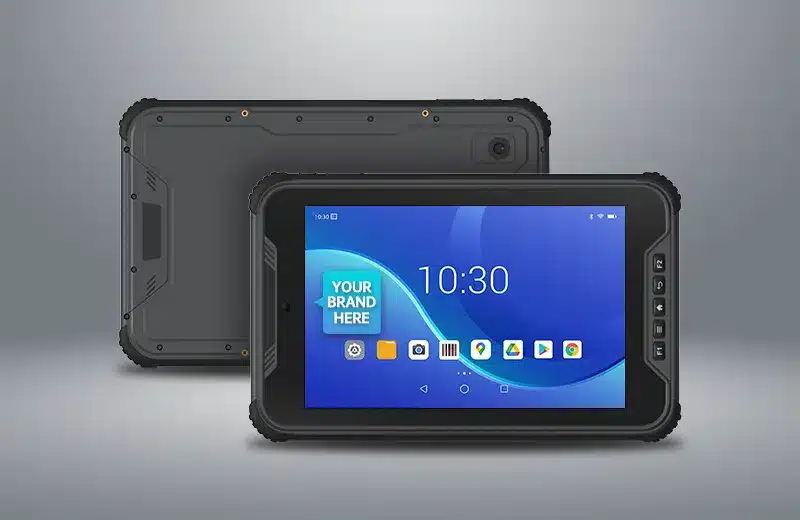
When was the last time you considered the untapped benefits of white labeling rugged tablet PCs and panel PCs for your business? For tech procurement managers in industrial sectors, this unique model often serves as the most effective way to expand a product line or enhance brand loyalty—without painstakingly building from scratch. Yet, many companies miss out on this opportunity, unaware that the right white labeling partnership can be a game-changer for their business growth.
Let’s take a closer look at what white labeling means in the context of rugged tablets and panel PCs, why it’s not just a shortcut but a strategic decision, and how you can overcome common hurdles to leverage its full potential.
White Labeling Defined
At its core, white labeling is the practice of selling a product manufactured by another company under your brand name. For industrial-grade technologies like rugged tablet PCs and panel PCs, white labeling offers a practical solution for businesses seeking to add robust and customized devices to their offerings without the high overhead of R&D, design, and manufacturing.
Instead of contracting a manufacturer to develop a product from scratch, you collaborate with one that already has high-performing solutions. These products can be rebranded and tailored to suit your brand identity, allowing you to integrate them into your product portfolio seamlessly.

For rugged technology, white labeling typically covers devices designed for harsh industrial settings, systems with extended temperature ranges, touchscreen capabilities, waterproofing, and multi-purpose use—all while retaining superior functionality and build quality under extreme environments.
The Challenges Procurement Managers Face
White labeling rugged tech comes with multiple advantages—but it also poses a unique set of challenges. Tackling these effectively can save you time, effort, and expense while yielding scalable growth.
1. Identifying the Right Manufacturer
Finding a manufacturer capable of developing reliable products suitable for industrial applications is a common hurdle. Not every OEM specializes in crafting rugged and versatile devices that meet the rigorous operational demands of your sector.
Solution: Look for manufacturers with a proven track record in delivering rugged tablets and panel PCs with certifications like MIL-STD-810G or IP65 ratings. These guarantees ensure robust design against dust, water, shock, and vibration. Industry leaders, such as manufacturers of embedded systems designed for industrial automation or healthcare, often fit the bill.
2. Customization Without Compromise
Industrial buyers often require a high degree of customization—whether to integrate specific hardware features, support legacy systems, or meet compliance standards. However, customization can sometimes compromise the quality or significantly extend delivery timelines.
Solution: Partner with a manufacturer that offers configurable options for features like processors, operating systems (Windows, Android, Linux), advanced security settings, and I/O ports (e.g., USB, Ethernet, RFID). Prioritize flexibility without sacrificing quality to ensure that the devices align perfectly with your requirements.
3. Maintaining Long-term Reliability
For procurement managers, any device failure can create significant disruptions. This makes durability and support critical factors to consider when sourcing rugged PCs through white labeling agreements.
Solution: Ensure the manufacturer provides comprehensive warranties and long-term customer support. The best partners offer multi-year reliability guarantees and ongoing firmware updates to ensure your product line evolves with industry standards.
Why White Labeling is a Strategic Decision
Now that we’ve addressed the potential challenges, the question becomes—why should you opt for white labeling rugged tablets or panel PCs in the first place? Simply put, it’s a strategic advantage, offering both tactical and financial benefits.
1. Accelerated Go-To-Market Timeline
Building rugged computing solutions from the ground up is resource-intensive. White labeling allows you to fast-track operations by leveraging an existing high-quality product.
2. Reduced Costs, Increased ROI
Between R&D, raw materials, compliance certifications, and manufacturing costs, creating your own rugged solutions can be cost-prohibitive. White labeling eliminates these overheads while still letting you brand the product as your own, resulting in faster returns.
3. Established Reliability
Reputable manufacturers focus on building tried-and-tested devices. By white labeling these products, you align your brand with proven reliability in harsh and rugged environments.
4. Strengthened Brand Identity
Whether your clientele includes oilfield engineers, logistics managers, or manufacturing units, offering branded rugged tech strengthens your reputation in the market as a company that delivers durable, cutting-edge solutions tailor-made for industrial needs.
Real-World Example
A leading logistics company wanted to include rugged tablet PCs in its operations for warehouse management but lacked the expertise or time to develop their own hardware solutions. By partnering with a white-label manufacturer, they rebranded existing ruggedized tablet designs to integrate their logo and company colors. Custom firmware was implemented to align the tablets with the client’s internal software ecosystem.
The result? The company not only reduced its operational costs by 35% but also streamlined workflows for warehouse staff, leading to a 20% improvement in delivery accuracy rates.
White labeling wasn’t just a cost-saving measure—it became a competitive differentiator.